
Symptoms of clonidine poisoning
2026-02-10Clonidine poisoning symptoms can vary depending on the amount of the drug ingested. Some common signs of clonidine toxicity include:
- Drowsiness
- Low blood pressure
- Slow heart rate
- Dizziness
- Weakness
If you suspect clonidine poisoning, seek immediate medical attention. It is important to always follow dosing instructions and keep medications out of reach of children.
Symptoms of Clonidine Poisoning
Clonidine poisoning can have a range of symptoms that vary in severity. These symptoms may include:
- Hypotension: Low blood pressure is a common symptom of clonidine poisoning, leading to dizziness and light-headedness.
- Bradycardia: A slow heart rate is another sign of clonidine toxicity and can result in fainting or weakness.
- Drowsiness: Excessive drowsiness or sedation is often observed in cases of clonidine poisoning.
- Respiratory depression: Difficulty breathing or shallow breathing can occur as a result of clonidine overdose.
- Slurred speech: Clonidine poisoning may cause speech difficulties and slurring of words.
In severe cases, clonidine poisoning can lead to coma, seizures, or even death. It is important to seek medical attention immediately if you suspect clonidine poisoning.
Common signs and symptoms
- Low blood pressure
- Bradycardia (slow heart rate)
- Dizziness
- Fainting
- Drowsiness
- Weakness
- Lethargy
- Confusion
- Loss of consciousness
Effects on the cardiovascular system
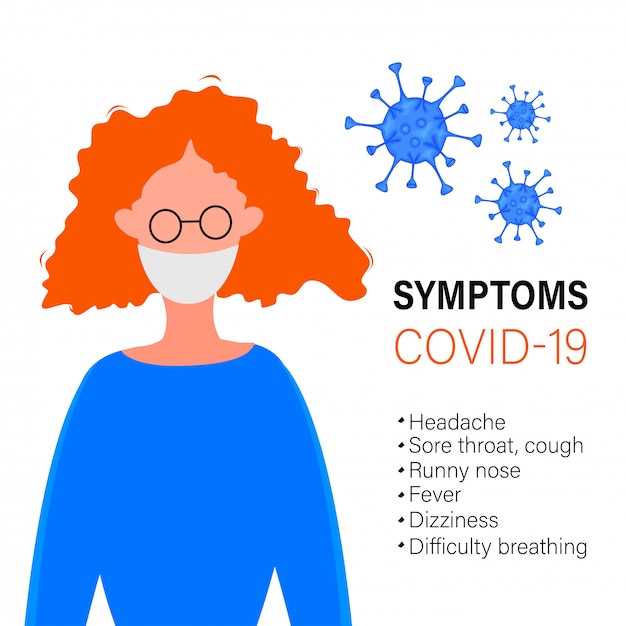
When clonidine is ingested in toxic amounts, it can have profound effects on the cardiovascular system. These effects may include:
- Hypotension: Clonidine poisoning can lead to dangerously low blood pressure, causing dizziness, weakness, and even loss of consciousness.
- Bradycardia: Clonidine can slow down the heart rate, which may result in a dangerously slow heartbeat.
- Arrhythmias: In some cases, clonidine poisoning can cause abnormal heart rhythms, putting the individual at risk of serious complications.
- Cardiac arrest: In severe cases of clonidine toxicity, cardiac arrest can occur, posing a life-threatening emergency.
- Shock: Excessive clonidine ingestion can lead to shock, a condition where the body's organs do not receive an adequate blood supply.
It is important to recognize the signs and symptoms of clonidine poisoning affecting the cardiovascular system and seek immediate medical attention to prevent serious complications.
Impact on the nervous system
Clonidine poisoning can have severe effects on the nervous system. Excessive ingestion of clonidine can lead to symptoms such as drowsiness, sedation, fatigue, lethargy, confusion, and even coma.
Clonidine, a centrally acting alpha-2 adrenergic agonist, acts on the brain to reduce sympathetic nervous system activity. In cases of overdose, this can cause a decrease in blood pressure and heart rate, leading to dizziness, weakness, and fainting.
Additionally, clonidine poisoning can result in behavioral changes, hallucinations, and seizures. It is essential to seek medical attention immediately if any of these symptoms are observed.
The impact of clonidine on the nervous system highlights the importance of proper dosage and monitoring when using this medication.
Gastrointestinal manifestations
Clonidine poisoning can lead to a range of gastrointestinal symptoms, including:
- Nausea
- Vomiting
- Diarrhea
- Abdominal pain
These symptoms may be mild to severe and can significantly impact the individual's quality of life. It is essential to seek medical attention if you or someone you know is experiencing these gastrointestinal manifestations after potential clonidine poisoning.
Treatment options
When dealing with clonidine poisoning, it is crucial to seek immediate medical attention. The treatment options for clonidine poisoning depend on the severity of the symptoms and the amount of the drug ingested. Here are some common treatment options:
1. Gastric lavage:
Gastric lavage, also known as stomach pumping, may be performed to remove any remaining clonidine from the stomach. This procedure is usually done within the first few hours after ingestion to prevent further absorption of the drug.
2. Activated charcoal:
Activated charcoal may be given to absorb any remaining clonidine in the stomach and prevent it from entering the bloodstream. This helps to reduce the amount of the drug that is absorbed by the body.
These treatment options may be used in combination with supportive care, such as intravenous fluids and monitoring of vital signs. In severe cases of clonidine poisoning, additional interventions may be required, including administration of medications to reverse the effects of the drug or to stabilize blood pressure and heart rate.