
Maculopapular rash azithromycin
2026-02-10Are you experiencing discomfort from a maculopapular rash? Azithromycin could be the solution you've been looking for. This proven treatment offers relief from the frustrating symptoms of this skin condition.
With its fast-acting properties, azithromycin targets the root cause of the rash, providing you with noticeable results in no time. Say goodbye to itchiness, redness, and irritation with this effective treatment.
Contact us today to learn more about how maculopapular rash azithromycin treatment can improve your quality of life. Relief is just a step away!
Main Features
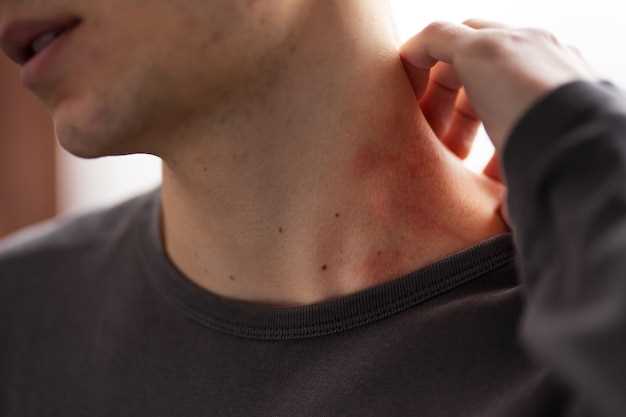
Maculopapular rash is a common skin condition characterized by flat, red areas (macules) and small raised bumps (papules) on the skin. It often appears as a red rash that may be itchy and can affect various parts of the body. The rash can be caused by a variety of factors, including infections, allergic reactions, and certain medications.
Key Points:
- Maculopapular rash is a common skin condition with characteristic red areas and small raised bumps.
- It can be caused by infections, allergic reactions, or medications.
- The rash may be itchy and can appear on different parts of the body.
- Treatment options may vary based on the underlying cause of the rash.
Causes and Symptoms of Maculopapular Rash
The maculopapular rash is a type of skin eruption that is characterized by flat, red areas (macules) and raised, bumpy areas (papules) on the skin. This rash can be caused by various factors, including:
- Infections: Viral infections, bacterial infections, and fungal infections can trigger a maculopapular rash. Common culprits include the Epstein-Barr virus, streptococcal bacteria, and Candida fungi.
- Medications: Certain drugs, such as antibiotics (like azithromycin), anti-seizure medications, and nonsteroidal anti-inflammatory drugs, can lead to the development of a maculopapular rash as an adverse reaction.
- Allergies: Allergic reactions to foods, insect bites, or other allergens can manifest as a maculopapular rash.
- Autoimmune Conditions: In autoimmune diseases like lupus or Kawasaki disease, the immune system may mistakenly attack the skin, resulting in a maculopapular rash.
The symptoms of a maculopapular rash typically include:
- Red or pink flat spots (macules) on the skin: These spots may vary in size and may be clustered together in patches.
- Raised red or pink bumps (papules): These bumps can be itchy or painful and may feel rough to the touch.
- Mild to moderate itching: The rash may be accompanied by discomfort or itching, which can exacerbate the condition.
- Generalized distribution: A maculopapular rash often appears on multiple areas of the body, including the trunk, limbs, and face.
If you notice any of these symptoms or suspect that you have developed a maculopapular rash, it is essential to consult a healthcare professional for an accurate diagnosis and appropriate treatment.
Causes and Symptoms
Maculopapular rash, a common side effect of azithromycin, can be caused by a variety of factors. Some of the possible causes include allergic reactions to the medication, viral infections, or bacterial infections. Symptoms of maculopapular rash may include red or pink spots on the skin, raised bumps, itching, and sometimes a fever. It is important to consult a healthcare professional if you experience these symptoms after taking azithromycin.
Treatment Options
1. Medications: Your healthcare provider may prescribe antihistamines or corticosteroids to help reduce the itching and inflammation associated with maculopapular rash.
2. Topical Treatments: Applying soothing lotions or creams can help alleviate discomfort and promote healing of the rash.
3. Avoiding Triggers: Identify and avoid any allergens or irritants that may be causing the rash to prevent further flare-ups.
4. Hydration: Drink plenty of water to keep your skin hydrated and aid in the healing process of the rash.
5. Rest and Relaxation: Giving your body time to rest and recover can also help improve the condition of the rash.
6. Follow-up with your healthcare provider: It is important to follow up with your doctor to ensure that the rash is improving and to discuss any concerns or treatment adjustments that may be necessary.
Prevention Tips
Preventing maculopapular rash caused by azithromycin involves several key strategies:
1. Follow Dosage Instructions
Always take azithromycin as prescribed by your healthcare provider. Do not exceed the recommended dosage or skip doses.
2. Stay Hydrated
Make sure to drink plenty of water while taking azithromycin to help flush out the medication from your system and reduce the risk of side effects.
Consulting a Healthcare Professional
Consulting a healthcare professional is crucial if you experience a maculopapular rash after taking azithromycin. A healthcare provider can properly diagnose the rash, evaluate its severity, and recommend appropriate treatment options.
Your doctor may suggest discontinuing azithromycin and switching to an alternative medication if necessary. They can also prescribe antihistamines or corticosteroids to manage itching and inflammation associated with the rash.
- Make sure to inform your healthcare provider about any other symptoms or side effects you may be experiencing.
- Follow your doctor's instructions carefully and attend follow-up appointments to monitor the rash's progress.
- If the rash worsens, spreads rapidly, or is accompanied by other concerning symptoms such as difficulty breathing or swelling, seek immediate medical attention.
Remember, consulting a healthcare professional is the best way to ensure proper management of a maculopapular rash caused by azithromycin.