
Doxycycline side effects in rabbits
2026-02-10Are you considering using doxycycline for your rabbits?
Before you proceed, it's important to be aware of the potential side effects that this medication can have on rabbits.
Doxycycline Side Effects in Rabbits
When administering doxycycline to rabbits, it is important to be aware of potential side effects that may occur. While this antibiotic can be effective in treating various infections in rabbits, some rabbits may experience adverse reactions.
Common side effects of doxycycline in rabbits may include gastrointestinal upset, such as diarrhea or decreased appetite. In some cases, rabbits may also develop allergic reactions, which can manifest as skin rashes or difficulty breathing.
It is important to monitor rabbits closely while they are receiving doxycycline and to consult a veterinarian if any concerning side effects occur. Your veterinarian can provide guidance on how to manage side effects and may recommend adjusting the dosage or discontinuing the medication if necessary.
Before starting doxycycline treatment for your rabbit, it is important to discuss the potential risks and benefits with your veterinarian. By being vigilant and proactive in monitoring for side effects, you can help ensure the safety and well-being of your rabbit during treatment.
Risks and Benefits
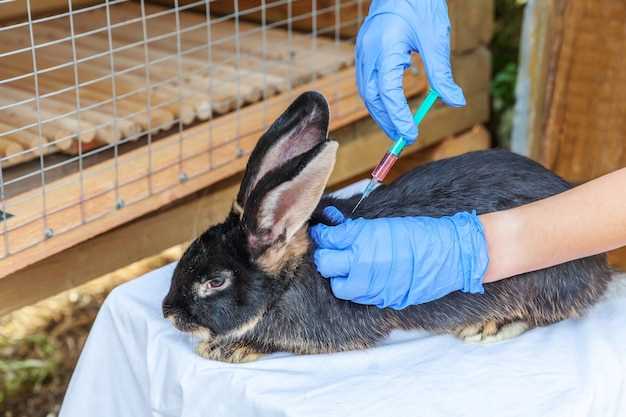
When using doxycycline in rabbits, it is important to be aware of the potential risks and benefits associated with this medication. Common adverse reactions to doxycycline in rabbits include gastrointestinal upset, such as diarrhea or loss of appetite. In some cases, doxycycline can also cause skin reactions, such as rash or itching.
On the other hand, the benefits of using doxycycline in rabbits include its effectiveness in treating bacterial infections, such as respiratory or urinary tract infections. Doxycycline is a broad-spectrum antibiotic that can help to combat a variety of bacterial strains.
It is crucial to weigh the risks and benefits of using doxycycline in rabbits before starting treatment. Monitoring for any adverse reactions and consulting with a veterinarian if any concerns arise is essential to ensure the health and well-being of the rabbit.
Common Adverse Reactions
When administering doxycycline to rabbits, it is important to be aware of the common adverse reactions that may occur. Some of the most frequent side effects include:
- Gastrointestinal Upset: Rabbits may experience diarrhea, loss of appetite, or vomiting when taking doxycycline. It is essential to monitor their food and water intake to ensure they stay hydrated.
- Sensitivity to Sunlight: Doxycycline can make rabbits more sensitive to sunlight, leading to potential sunburn or skin irritation. Keep them in a shaded area to prevent adverse reactions.
In case your rabbit exhibits any of these adverse reactions or other concerning symptoms, consult your veterinarian immediately for proper guidance and treatment options.
Monitoring and Management
Proper monitoring and management are crucial when administering doxycycline to rabbits. It is essential to closely observe the rabbit's response to the medication and watch for any adverse effects. Regular check-ups with a veterinarian are recommended to monitor the rabbit's progress and adjust the dosage if necessary.
Monitoring
- Monitor the rabbit's behavior and overall condition while on doxycycline.
- Keep track of any changes in appetite, activity level, or stool consistency.
- Observe for signs of an allergic reaction, such as swelling, itching, or difficulty breathing.
Management
- Follow the veterinarian's instructions on how to administer the medication properly.
- Ensure the rabbit receives the full course of treatment as prescribed.
- Store the medication in a cool, dry place away from direct sunlight.
- Dispose of any unused medication properly to prevent accidental ingestion.
By closely monitoring the rabbit's response to doxycycline and following proper management protocols, you can help ensure the best possible outcome for your furry friend's health.
Preventive Measures

When using doxycycline in rabbits, it is important to take preventive measures to minimize the risk of side effects and adverse reactions. Here are some key preventive measures to consider:
- Administer the medication as prescribed by a veterinarian and follow the recommended dosage and treatment duration.
- Monitor the rabbit closely for any signs of gastrointestinal upset, such as diarrhea or loss of appetite.
- Provide ample access to fresh water to prevent dehydration, which can be a side effect of doxycycline.
- Avoid administering doxycycline with dairy products, as calcium can interfere with the absorption of the medication.
- Store the medication in a cool, dry place away from direct sunlight to maintain its potency.
- Consult with a veterinarian if you have any concerns about the use of doxycycline in your rabbit.
Consulting a Veterinarian
When administering doxycycline to rabbits, it is crucial to consult with a veterinarian to ensure proper dosage, duration, and monitoring of potential side effects. A veterinarian can provide guidance on the appropriate treatment plan based on the rabbit's condition and health history.
Veterinarians can also offer valuable insights on managing any adverse reactions that may occur during the course of doxycycline treatment. They can advise on the best course of action to mitigate these reactions and ensure the rabbit's well-being.
Key Points to Discuss with Your Veterinarian:
| 1. Dosage and Administration: | Discuss the correct dosage of doxycycline for your rabbit and the frequency of administration. |
| 2. Monitoring and Evaluation: | Talk to your veterinarian about the need for regular monitoring to assess the rabbit's response to the medication. |
| 3. Potential Side Effects: | Learn about possible side effects of doxycycline and how to recognize and manage them. |
| 4. Follow-Up Care: | Discuss the importance of follow-up care and any precautions to take after the treatment is completed. |
Overall, consulting a veterinarian is essential for ensuring the safe and effective use of doxycycline in rabbits and promoting their health and well-being.