
Can azithromycin cause pseudomembranous colitis
2026-02-10Are you concerned about the potential side effects of Azithromycin? One rare but serious complication to be aware of is pseudomembranous colitis. This condition, characterized by severe inflammation of the colon, can sometimes be linked to the use of antibiotics like Azithromycin.
What is pseudomembranous colitis?
Pseudomembranous colitis is a condition that occurs when there is an overgrowth of a bacterium called Clostridium difficile in the colon. This bacterium can produce toxins that cause inflammation and damage to the lining of the colon, leading to symptoms such as severe diarrhea, abdominal pain, and fever.
If you are experiencing severe or persistent gastrointestinal symptoms while taking Azithromycin, it is important to seek medical attention immediately.
About Pseudomembranous Colitis
Pseudomembranous colitis is a severe inflammation of the large intestine that is usually caused by the bacterium Clostridium difficile. This condition typically occurs as a result of antibiotic treatment, which disrupts the normal balance of bacteria in the gut and allows C. difficile to multiply uncontrollably.
When C. difficile levels become elevated, the bacteria produce toxins that attack the lining of the colon, leading to the formation of pseudomembranes – thick layers of inflammatory cells, mucus, and dead tissue. These pseudomembranes can cause severe diarrhea, abdominal pain, and other debilitating symptoms.
Symptoms of Pseudomembranous Colitis
- Severe diarrhea
- Abdominal cramping and pain
- Fever
- Bloody stools
- Dehydration
Diagnosis of Pseudomembranous Colitis
Diagnosing pseudomembranous colitis often involves a stool test to detect the presence of C. difficile toxins in the feces. In some cases, a colonoscopy may be performed to examine the colon and check for the characteristic pseudomembranes.
Symptoms and Diagnosis
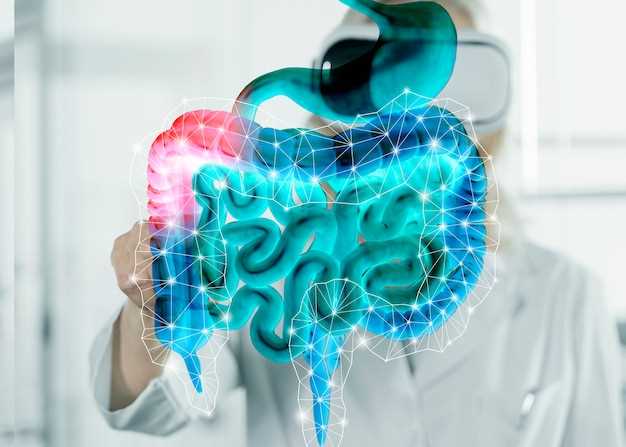
When it comes to pseudomembranous colitis, it is important to be aware of the common symptoms that may indicate its presence. Some of the most frequent symptoms include severe diarrhea, abdominal cramping, fever, and dehydration.
If you suspect that you or someone you know may have pseudomembranous colitis, it is crucial to seek medical attention immediately. Diagnosis typically involves a thorough physical examination, review of medical history, and laboratory tests such as stool samples or blood tests.
| Symptom | Description |
|---|---|
| Severe diarrhea | Watery or bloody stools occurring frequently |
| Abdominal cramping | Pain or discomfort in the stomach area |
| Fever | Elevated body temperature indicating infection |
| Dehydration | Lack of fluids in the body due to excessive diarrhea |
Early diagnosis and prompt treatment are essential for managing pseudomembranous colitis effectively. If you experience any of these symptoms, contact your healthcare provider for further evaluation and guidance.
Treatment Options

When it comes to treating pseudomembranous colitis caused by azithromycin, the main goal is to eliminate the infection and restore balance in the gut microbiota. Treatment options may include:
- Discontinuation of Azithromycin: The first step in treating pseudomembranous colitis is to discontinue the use of azithromycin, as this antibiotic is often the cause of the condition.
- Antibiotics: In some cases, other antibiotics such as metronidazole or vancomycin may be prescribed to target the overgrowth of C. difficile bacteria in the colon.
- Probiotics: Adding probiotics to your diet or taking probiotic supplements can help restore the balance of healthy bacteria in the gut and aid in recovery.
- Fluid and Electrolyte Replacement: Severe cases of pseudomembranous colitis may require intravenous fluids and electrolyte replacement to prevent dehydration and maintain proper balance.
- Surgery: In rare cases where pseudomembranous colitis does not respond to other treatments or causes severe complications, surgery to remove the affected part of the colon may be necessary.
Prevention Strategies
Pseudomembranous colitis can be a serious and potentially life-threatening condition, so it's important to take steps to prevent it. Here are some strategies that can help reduce your risk:
- Use antibiotics judiciously: Antibiotics are a common cause of pseudomembranous colitis, so it's important to only take them when necessary and as prescribed by your healthcare provider. Avoid taking antibiotics unnecessarily or for conditions they won't treat.
- Practice good hand hygiene: Washing your hands frequently with soap and water can help prevent the spread of the bacteria that cause pseudomembranous colitis. Use hand sanitizer if soap and water are not available.
- Avoid unnecessary invasive procedures: If possible, try to avoid procedures that involve inserting tubes or devices into your body, as these can introduce harmful bacteria and increase your risk of developing pseudomembranous colitis.
- Stay healthy: Maintaining a healthy lifestyle, including eating a balanced diet, getting regular exercise, and managing stress, can help support a strong immune system and reduce your risk of developing infections like pseudomembranous colitis.
By following these prevention strategies, you can help protect yourself from pseudomembranous colitis and maintain good digestive health.