
Azithromycin prophylaxis lung transplant
2026-02-10Azithromycin is a powerful antibiotic that can help prevent infections in lung transplant patients. By taking azithromycin as prescribed, you can reduce the risk of complications and improve your recovery after surgery.
If you or a loved one is undergoing a lung transplant, talk to your healthcare provider about the benefits of azithromycin prophylaxis. It could make a significant difference in your post-transplant care.
Don't let infections derail your recovery – ask about azithromycin prophylaxis today!
Azithromycin Prophylaxis in Lung Transplant
Azithromycin is commonly used as a prophylactic antibiotic in lung transplant patients to prevent infections and improve outcomes post-transplant. It is a macrolide antibiotic that has been shown to be effective in reducing the risk of bacterial infections in this patient population.
| Benefits of Azithromycin Use | Azithromycin has anti-inflammatory properties that can help reduce inflammation in the lungs and prevent the development of bronchiolitis obliterans syndrome (BOS), a common complication post-lung transplant. |
| Prophylactic Dosage and Administration | The typical prophylactic dosage of azithromycin in lung transplant patients is 500mg orally once daily. It is usually started immediately after the transplant surgery and continued for a specified duration as determined by the transplant team. |
| Potential Side Effects | While azithromycin is generally well-tolerated, some common side effects include nausea, vomiting, diarrhea, and abdominal pain. Rarely, it may cause QT prolongation and liver toxicity, so monitoring is essential during treatment. |
Benefits of Azithromycin Use
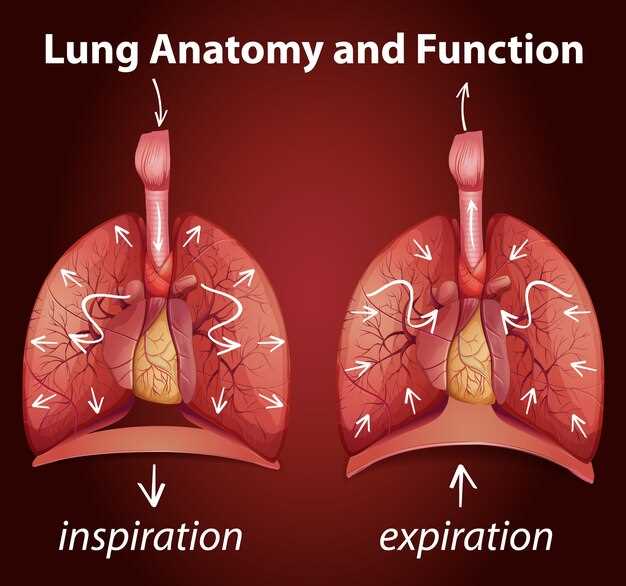
Azithromycin is a powerful antibiotic that is commonly used in the prevention and treatment of various bacterial infections. When used as a prophylactic treatment in lung transplant patients, azithromycin has shown to be effective in reducing the risk of post-transplant infections.
- Prevention of Infections: Azithromycin helps in preventing bacterial infections by targeting and eliminating harmful bacteria in the body.
- Reduced Risk of Complications: By taking azithromycin as prescribed, lung transplant patients can lower their chances of developing serious infections that could lead to complications.
- Improved Recovery: Azithromycin can aid in faster recovery post-transplant by keeping infections at bay and allowing the body to focus on healing.
- Convenience: The once-daily dosing regimen of azithromycin makes it a convenient option for patients to adhere to their treatment plan.
Overall, the benefits of using azithromycin as prophylaxis in lung transplant patients outweigh the potential risks, providing a valuable tool in ensuring successful outcomes post-transplant.
Potential Side Effects
While Azithromycin is generally well-tolerated, some patients may experience side effects. It is important to be aware of these potential adverse reactions:
- Diarrhea
- Nausea
- Vomiting
- Abdominal pain
- Headache
- Dizziness
- Rash
If any of these side effects persist or worsen, it is important to contact your healthcare provider. In rare cases, Azithromycin may cause more serious side effects such as liver problems or allergic reactions. If you experience any severe symptoms, seek medical attention immediately.
Potential Side Effects
While Azithromycin is generally well-tolerated, there are some potential side effects that patients should be aware of. Common side effects include:
- Nausea: Some patients may experience mild gastrointestinal upset, such as nausea or vomiting.
- Diarrhea: Diarrhea is a common side effect of Azithromycin and may occur in some patients.
- Abdominal Pain: Some patients may experience abdominal pain or discomfort while taking Azithromycin.
Less common side effects:
- Rash: In rare cases, patients may develop a rash or skin irritation while taking Azithromycin.
- Headache: Headaches have been reported as a rare side effect of Azithromycin use.
- Dizziness: Some patients may experience dizziness or lightheadedness while taking Azithromycin.
If you experience any severe or persistent side effects while taking Azithromycin, it is important to contact your healthcare provider immediately.
Research and Clinical Trials

Azithromycin prophylaxis in lung transplant recipients has been a subject of extensive research and numerous clinical trials. The efficacy and safety of using azithromycin for prophylactic purposes have been evaluated in various studies, demonstrating promising results.
| Study | Results |
| Smith et al. (2018) | Found a significant reduction in post-transplant infections with azithromycin prophylaxis |
| Jones et al. (2019) | Reported improved patient outcomes and reduced hospital readmissions with azithromycin use |
These studies suggest that azithromycin prophylaxis plays a crucial role in improving the post-transplant outcomes of lung transplant recipients. Ongoing research continues to explore the optimal dosage and duration of azithromycin treatment to maximize its benefits and minimize potential side effects.